The Arteries
of Innovation 2025 Annual Report

Message from the Co-Directors

The quality of our thinking cannot be higher than the quality of the information on which it is based.
– Daniel Kahneman, winner of the 2002 Nobel Prize in Economic Sciences
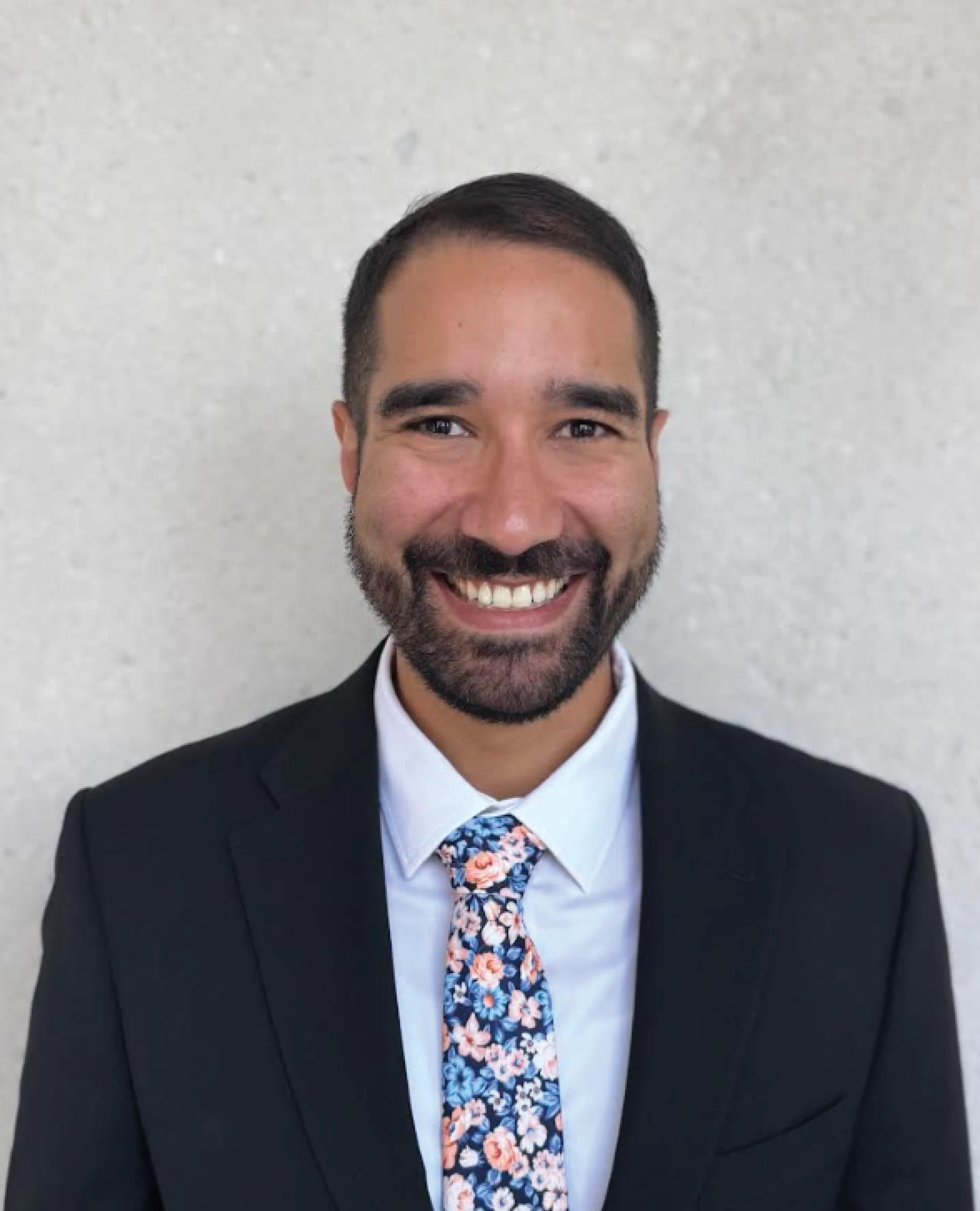
Headshot of Co-Director: Justin Ezekowitz

Justin
Ezekowitz
, MBBCh, MSc

Headshot of Co-Director: Shaun Goodman

Shaun
Goodman
, MD, MSc

Headshot of Co-Director: Padma Kaul

Padma
Kaul
, PhD

In writing Thinking, Fast and Slow, Daniel Kahneman contemplated how we use information and the importance of the quality of data; low quality data will be unreliable from which to draw conclusions. The corollary of ‘garbage in, garbage out’ is that truth does not come from misinformation. Likewise, no matter how well a scientific story is “told”, testing the quality of the information in further studies remains paramount.

Welcome to the 2025 CVC Annual report, The Arteries of Innovation. Like all arteries, innovations have a beginning, a middle and an end, and the ideas–like red blood cells carrying oxygen–must flow through to the desired location. Our oxygen is the ideas that come from all parts, and ultimately flow to our patients when a discovery turns into a clinical innovation based on the most robust data available.

Given our Arteries of Innovation theme, we also think of the bench-to-bedside translation, including the population-wide observational data examinations led by Drs. Finlay McAlister and Padma Kaul. Without these data, we would not have the ability to generate or test new hypotheses and thus evaluate our storytelling with high-quality data.

This year saw important contributions from the CVC faculty. Our CVC family has grown and enriched our collaborative environment: Dr. Pishoy Gouda joined as our newest faculty member after pursuing further training with our colleagues at the Duke Clinical Research Institute. On the other end of the spectrum, our Co-Director, Dr. Padma Kaul, added to her accomplishments a Tier 1 Canada Research Chair in Women and Children's Cardio-Metabolic Health and launched several important studies in that growing (pun intended) sphere of clinical and population health research. Our future growth is also bright, as we welcomed trainees from across the globe to enhance their own research pathways as they developed new ideas.

In addition to ongoing population health, artificial intelligence, and clinical trial research, the CVC and its collaborators launched several studies that will shape future care. A few notable projects include the CIHR-funded AURORA study, which will examine type 1 diabetes, and the CFREF-supported One Child Every Child initiative, which will study perinatal and childhood environments and hopes to identify targets for future interventions. Further along the cardiovascular disease spectrum, the HEART Platform was launched (supported by University Hospital Foundation), creating a framework to study interventions for patients with acute and chronic heart failure. These studies complement the work ongoing in acute coronary syndromes (led by Drs. Kevin Bainey, Shaun Goodman, and Robert Welsh), pulmonary hypertension (led by Dr. Jason Weatherald), the interface with the kidney (led by Dr. David Collister), electrophysiology (led by Dr. Roopinder Sandhu), critical cardiovascular illness (led by Dr. Sean van Diepen), and prevention (led by Dr. Jacob Udell).

Please join us in reviewing the accomplishments of the CVC community and our network of collaborators, investigators, trainees, and patients, made possible by the generous research support of many organizations and individuals.


About the CVC

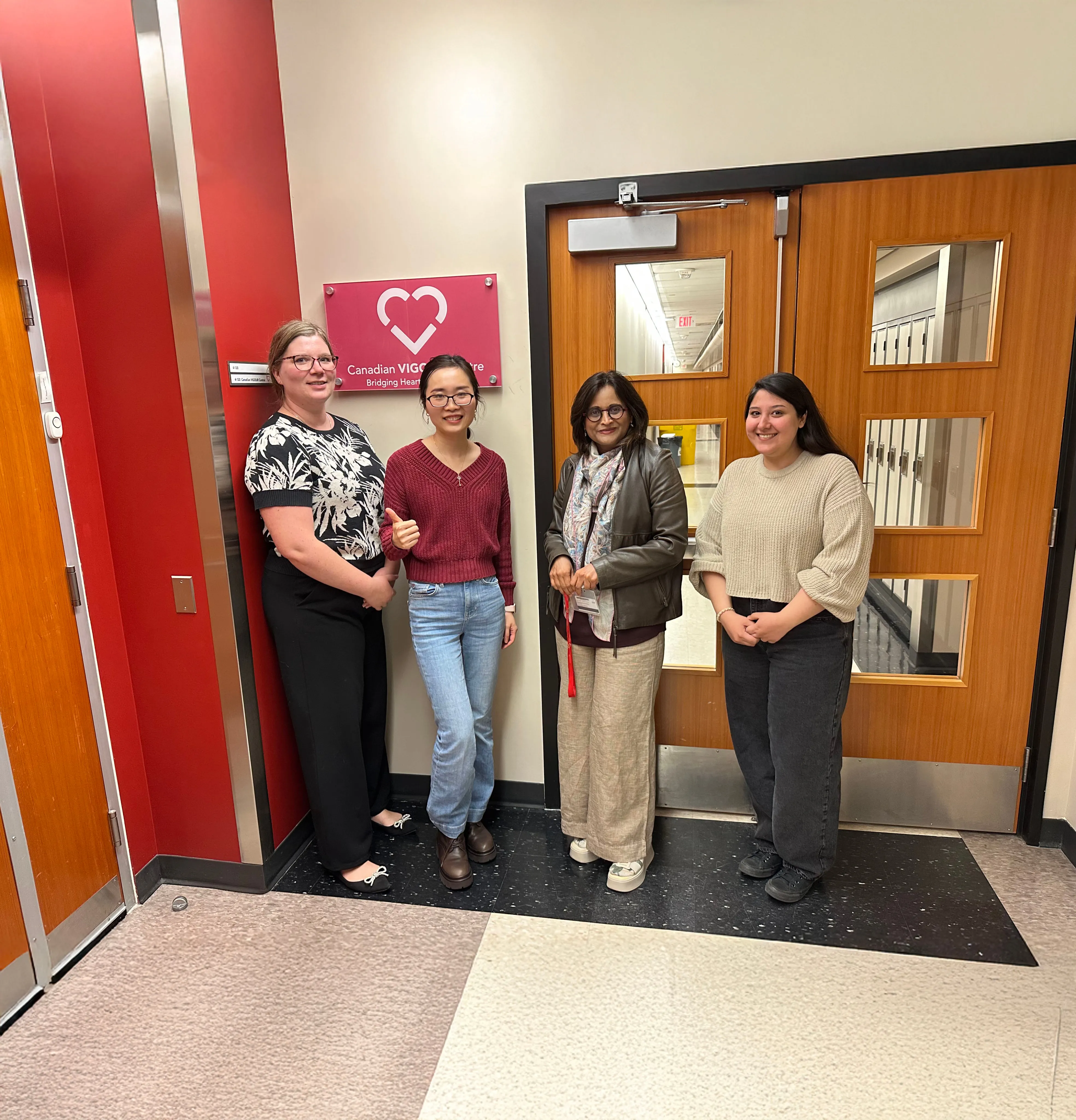
The Canadian VIGOUR Centre (CVC) was established in 1997 as an academic research organization (ARO) at the University of Alberta, and has since been committed to the enhancement of cardiovascular health. The CVC is recognized for its pioneering research in cardiovascular medicine, which embraces the translation of research through thought leadership and management of innovative clinical trials. Furthermore, the CVC is focused on the generation of new knowledge from patient registries and population outcome studies, which inform the direction of future pathways.

As an ARO, the CVC is committed to the scholarly value of scientific inquiry and truth, and believes knowledge should be shared openly in an ethical research environment. The CVC’s dedication to lifelong learning has also inspired one of our central tenets – engaging the next generation of health professionals in a research culture that embraces curiosity, welcomes new ideas, and seeks to address key unanswered questions in health care. Learn more about the CVC’s vision, mission, and core values here.

Our Team

The CVC is anchored by a dedicated group of internationally recognized thought leaders in cardiovascular medicine and clinical investigation, and is supported by accomplished administrative and clinical operations teams, as well as experienced biostatisticians, data and machine analysts, and core laboratories personnel. Research is a team sport, and our diverse and multidimensional group is committed to continuous innovation that has an impact on informing health policy.

Learn more about our team:

Year in Review

AURORA Project Announced

January 2025

AURORA Project Announced

Type 1 diabetes mellitus (T1DM) is a chronic medical condition affecting approximately 300,000 Canadians. Due to the absence of a T1DM Care Pathway in Alberta, both patients and caregivers lack access to reliable information about treatments and complication management options. The AURORA study will establish an advisory group of adult T1DM patients and caregivers of pediatric T1DM patients to develop a knowledge mobilization hub for the Alberta Care Pathway. This project is being led by a team of researchers from the University of Alberta, including co-principal investigator Dr. Padma Kaul.

|
CVC-PMCC Collaborative Summit

March 2025

CVC-PMCC Collaborative Summit

A collaborative summit was held in Canmore, Alberta, bringing together leadership members from the CVC and the Toronto-based Peter Munk Cardiac Centre (PMCC). The meeting established a roadmap for joint cardiovascular research initiatives, with an emphasis on artificial intelligence, clinical trials, and data analysis. Following the summit, the groups have continued to meet virtually on a monthly basis in order to undertake a mutual inventory of core competencies as Canadian academic research organizations, and to develop joint leadership roles in some planned cardiovascular studies.

|
The CVC Welcomes University of Groningen Medical Students

April 2025

The CVC Welcomes University of Groningen Medical Students

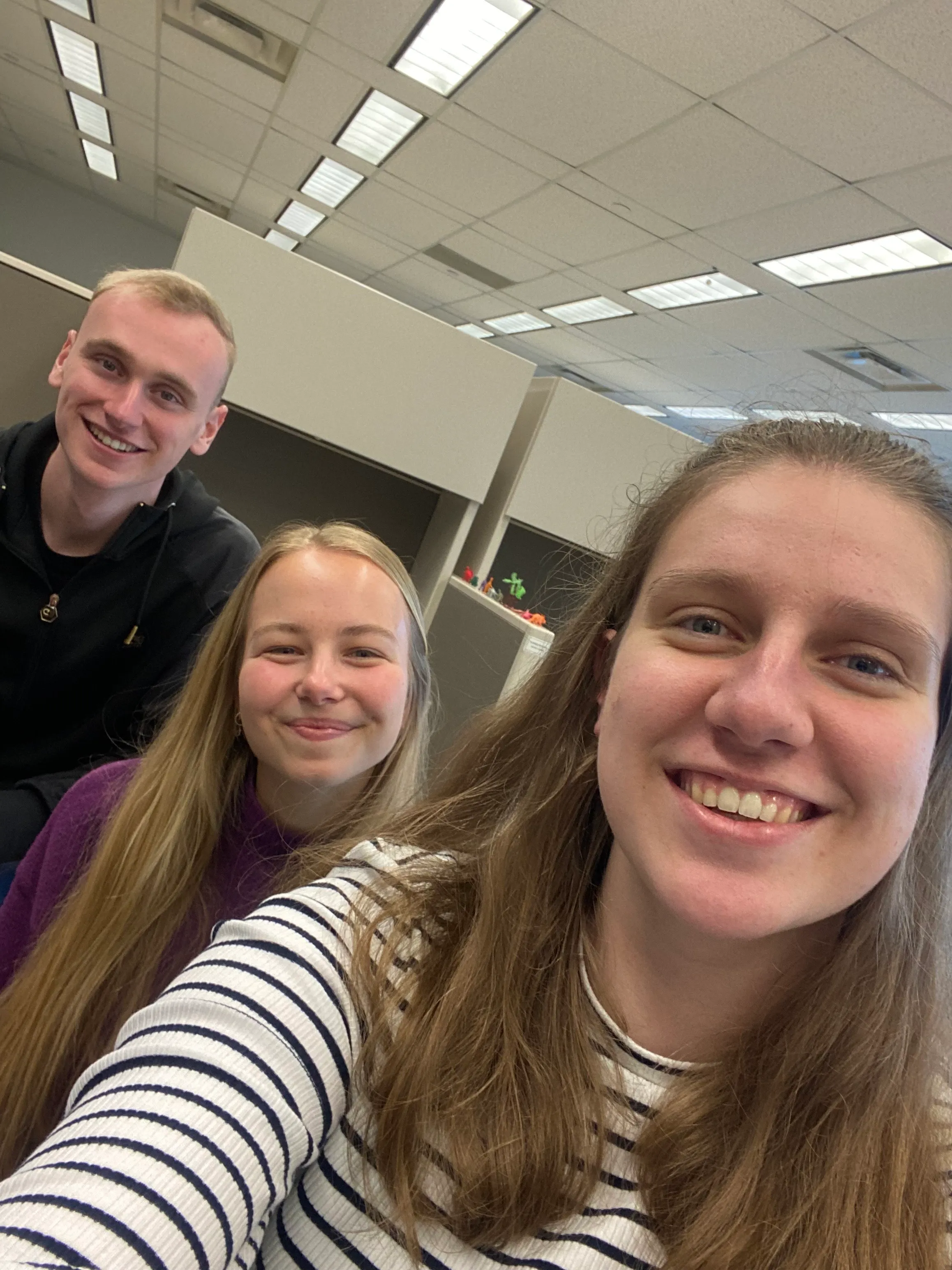
Julia Benjamins, Marieke Haas, and Ryan Vos from the University of Groningen joined the CVC for eight weeks as part of their medical school program. Their research examined the impact of low iron storage versus defective iron utilization on chronic heart failure outcomes in Alberta. This project was supervised by Dr. Justin Ezekowitz and Senior Biostatistician Dr. Wendimagegn Alemayehu, alongside Dr. Peter van der Meer of the University of Groningen.

|
Dr. Padma Kaul Leads Program on Pregnancy Complications

May 2025

Dr. Padma Kaul Leads Program on Pregnancy Complications

The One Child Every Child research initiative, led by the University of Calgary, is dedicated to ensuring all children are healthy, empowered, and thriving by focusing on three key themes: Better Beginnings, Precision Health and Wellness, and Vulnerable to Thriving. Dr. Padma Kaul's program, under the Better Beginnings theme, aims to understand how a combination of clinical, genetic, socio-economic, and behavioral factors affect neonatal and early childhood outcomes when pregnancy complications or conditions are present. By developing robust research and data infrastructure, the program intends to position Alberta as a leader in population-level perinatal and early childhood health research.

|
HEART Platform Trial and SODIUM-HF-2 Meeting

May 2025

HEART Platform Trial and SODIUM-HF-2 Meeting

Dr. Justin Ezekowitz and Dr. Heather Ross (University of Toronto) hosted the HEART Platform and SODIUM-HF-2 planning meeting in Toronto, Ontario. The HEART platform will use a master protocol with domain-specific appendices to evaluate the efficacy or feasibility of multiple interventions in patients with heart failure. As a unique platform, its launch signifies a different approach to clinical trials that can offer an enduring ability to test new strategies or therapies efficiently by building a robust infrastructure. This project receives generous philanthropic support via the University Hospital Foundation.

|
Dr. Justin Ezekowitz Receives the King Charles III Coronation Medal

June 2025

Dr. Justin Ezekowitz Receives the King Charles III Coronation Medal

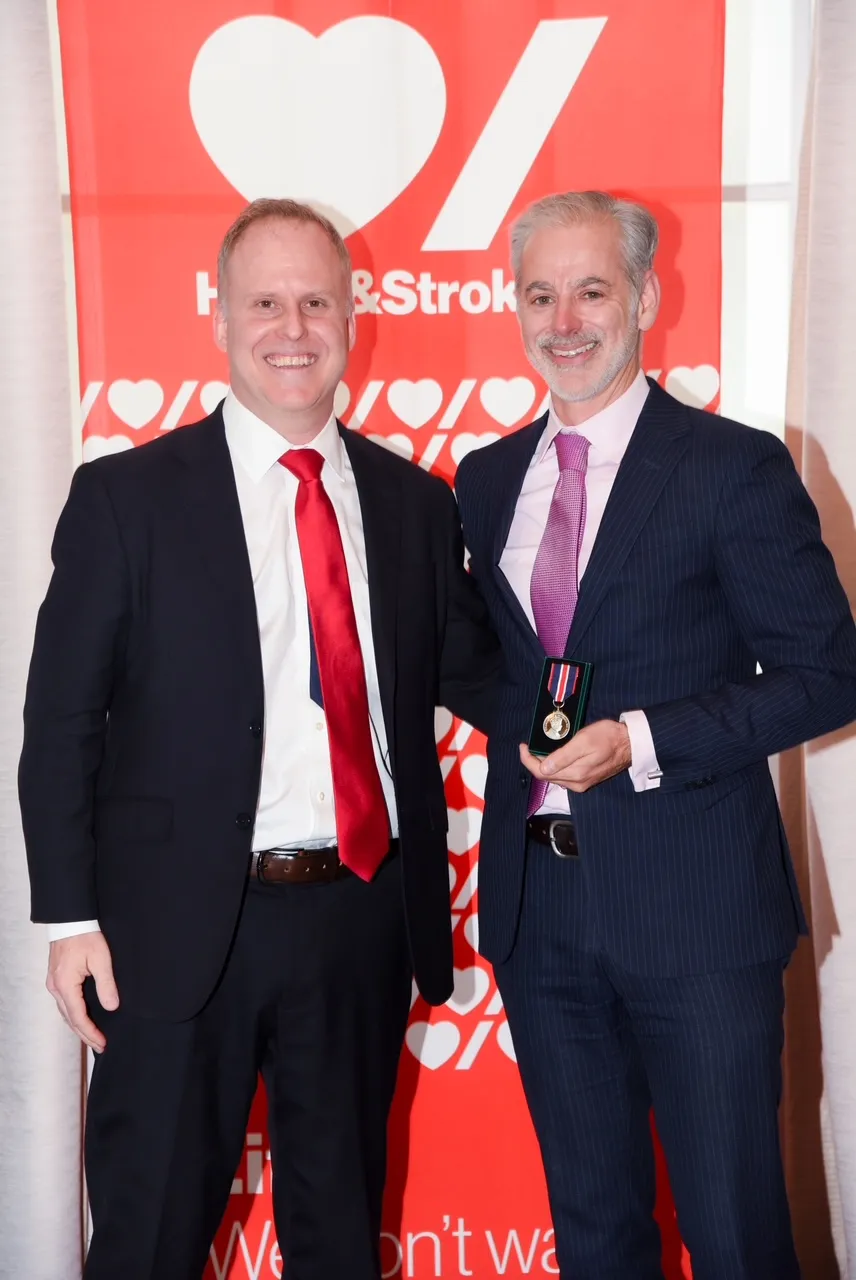
Dr. Justin Ezekowitz received the King Charles III Coronation Medal, an honour recognizing significant contributions to Canada. He was nominated by the Heart and Stroke Foundation for his dedicated work in advancing heart and brain health outcomes across the country.

|
Dr. Pishoy Gouda joins the CVC as an Associate Faculty Member

July 2025

Dr. Pishoy Gouda joins the CVC as an Associate Faculty Member

Dr. Pishoy Gouda is an academic interventional cardiologist and assistant professor at the University of Alberta. He recently completed a clinical trials research fellowship at the Duke Clinical Research Institute, after developing strong collaborative ties with the CVC during his undergraduate, medical residency, and cardiology training at the University of Alberta. His research interests include optimization of care following myocardial infarctions, novel therapeutic strategies to improve outcomes in acute coronary syndromes, and the use of digital technologies, artificial intelligence, and biomarkers to deliver cardiovascular care.

|
Training the Next Generation of Health Researchers

August 2025

Training the Next Generation of Health Researchers

The CVC aims to engage the next generation of health professionals in a research culture that champions curiosity and innovation. The following are reflections from some of our recent spring/summer trainees on their research experience.

|
Arbnora Beka, BSc, Medical Student

August 2025

Arbnora Beka, BSc, Medical Student

"Working with Dr. Padma Kaul was very inspiring. I was amazed by her ability to balance multiple research projects while still offering thoughtful, specific feedback, and I hope to apply those same leadership skills in my own career one day. Dr. Douglas Dover also helped enrich my understanding of how public health research works in practice, especially the role of statistics in creating meaningful findings. As a medical student, I really valued having this dedicated time to see how public health research directly impacts disease prevention and patient care."

|
Hala El-Assadi, BSc, PharmD Student

August 2025

Hala El-Assadi, BSc, PharmD Student

"My experience at the CVC has been nothing short of fun and rewarding. Working on the AURORA study under Dr. Padma Kaul’s leadership allowed me, as someone living with type 1 diabetes, to see firsthand how patient voices can shape research and improve care. I was given the room to grow into my role and take leadership in ethics creation, protocol making, outreach and enrollment with the guidance of the best team in Canada. This experience has strengthened my passion for diabetes research and will guide my academic journey as I continue to pursue my PharmD with a focus on patient-centred therapeutics and clinical outcomes."

|
Marco Paganuzzi, MD, Research Fellow

August 2025

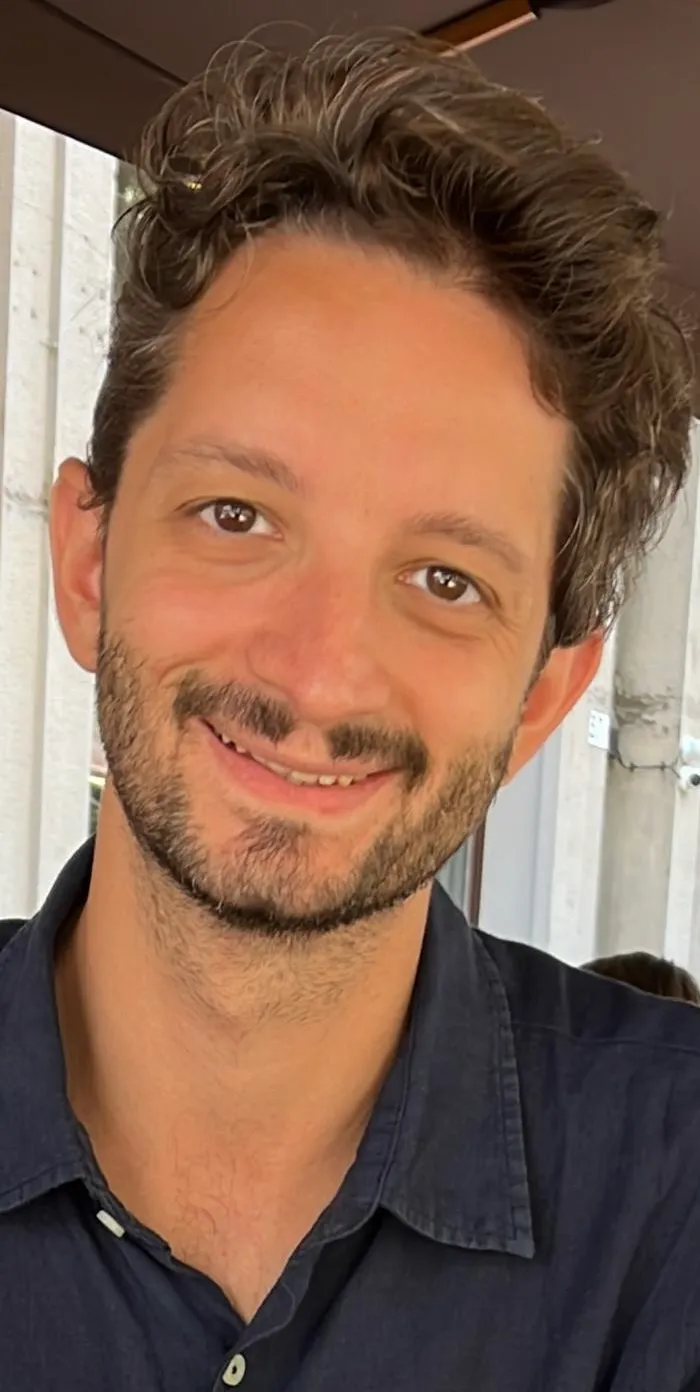
Marco Paganuzzi, MD, Research Fellow

"At the CVC, I had the privilege of joining an international team enriched by expertise from a wide range of fields. The combination of these diverse perspectives truly highlighted the added value of global collaboration. Working in such an innovative environment expanded my outlook toward the future of research, especially the vast potential of artificial intelligence (AI). Reflecting on how AI can transform everyday clinical practice for physicians, and understanding its underlying mechanisms to wisely turn our collective expectations into reality, is the first step toward meeting the major global challenges of our time through the unprecedented potential of this tool.”

|
New Insights from the VICTOR and VICTORIA Trials

August 2025

New Insights from the VICTOR and VICTORIA Trials

Results from the VICTOR trial, a large, international, double-blind study of over 6,000 patients with heart failure with reduced ejection fraction (HFrEF) and no recent worsening of their condition, were presented at the 2025 ESC Congress and published in The Lancet. Researchers, including the CVC’s Dr. Justin Ezekowitz, found that while vericiguat did not meet the primary composite endpoint, secondary findings revealed a reduction in cardiovascular deaths, suggesting a potential mortality benefit.

Additionally, a pooled analysis (also published in The Lancet) of over 11,000 participants from the VICTOR and VICTORIA trials found that vericiguat reduced the risk of hospitalization and cardiovascular death across a broad range of patients with HFrEF, including those on current guideline-directed therapy. These combined results suggest vericiguat could be an effective option for select patient groups across the entire HFrEF spectrum.

|
12th Annual Clinical Trials Colloquium

September 2025

12th Annual Clinical Trials Colloquium

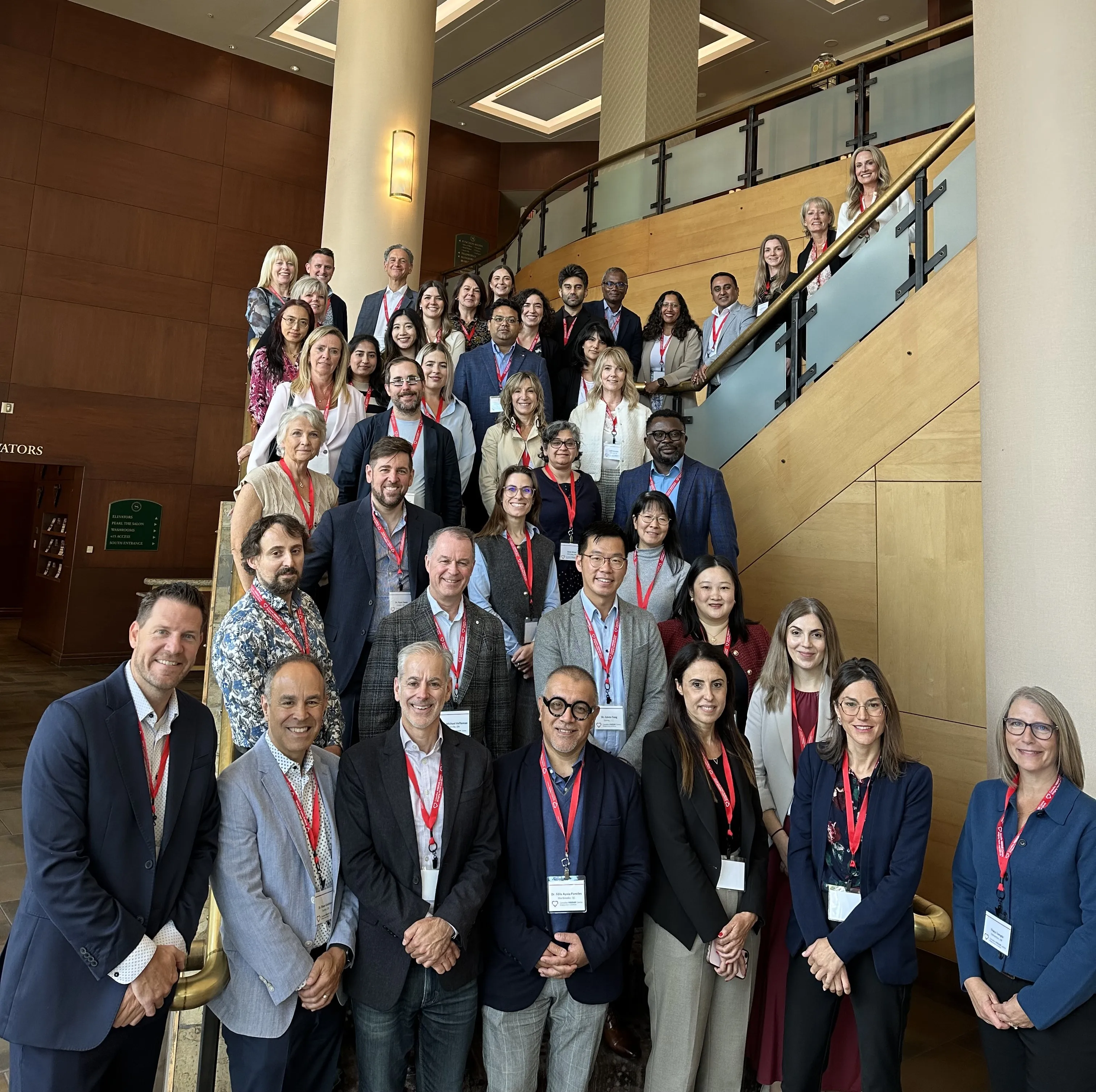
The CVC hosted the 12th annual Clinical Trials Colloquium in Calgary, Alberta. Members of our team, alongside site and sponsor representatives from across Canada, convened to discuss the event's central theme: Optimizing Clinical Research Strategies in Canada. The keynote was delivered by Dr. Robert Mentz (Duke Clinical Research Institute), who presented on: “Navigating the Complexities of the Current Clinical Trial Landscape: Local, National, and International Impact.”

|
U of A and Sheffield Collaboration Advances AI in Healthcare

September 2025

U of A and Sheffield Collaboration Advances AI in Healthcare

In 2025, the ongoing international collaboration between the University of Alberta and the University of Sheffield was focused on supporting projects on artificial intelligence (AI) applied to healthcare. Two of the four seed-grants supported through this collaboration were awarded to CVC faculty. Dr. Chen Chen, a Lecturer/Assistant Professor in Computer Vision, at the School of Computer Science, University of Sheffield and an ELLIS Scholar, visited the CVC to start a new project that will employ AI and multimodal learning for early disease detection using Alberta’s comprehensive population-health data.

|
Dr. Paul Armstrong Receives JACC: Heart Failure Most Published Author Award

October 2025

Dr. Paul Armstrong Receives JACC: Heart Failure Most Published Author Award

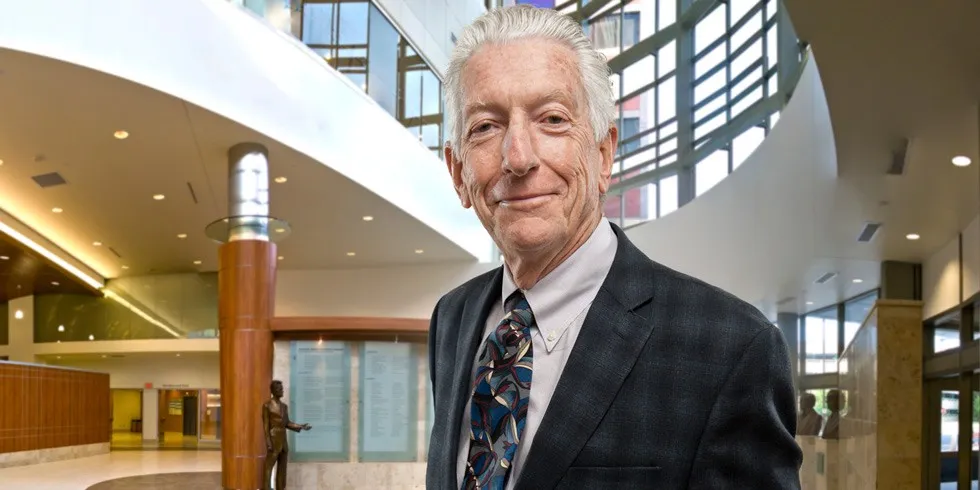
CVC Founding Director Dr. Paul Armstrong was recognized with the Most Published Author Award by JACC: Heart Failure (JACC: HF). Dr. Armstrong has authored 19 articles published in JACC: HF since its inception in 2013, forming a critical part of the CVC faculty's collective total of 48 heart failure research papers in the journal.

|
Dr. Padma Kaul Named Canada Research Chair

November 2025

Dr. Padma Kaul Named Canada Research Chair

Dr. Padma Kaul has been named the Tier 1 Canada Research Chair in Women and Children's Cardio-Metabolic Health as part of the Government of Canada’s fall recipients for the Canada Research Chairs Program. In this role, Dr. Kaul and her research team are actively engaged in three core projects:

  • Examining how gestational diabetes mellitus (GDM) treatments impact long-term health outcomes for children.
  • Investigating the links between diabetes, prior GDM, and cancer development.
  • Utilizing electrocardiogram (ECG)-based artificial intelligence algorithms for heart failure screening and early detection.

|
CVC Joins Global Alliance for Population Health Research

November 2025

CVC Joins Global Alliance for Population Health Research

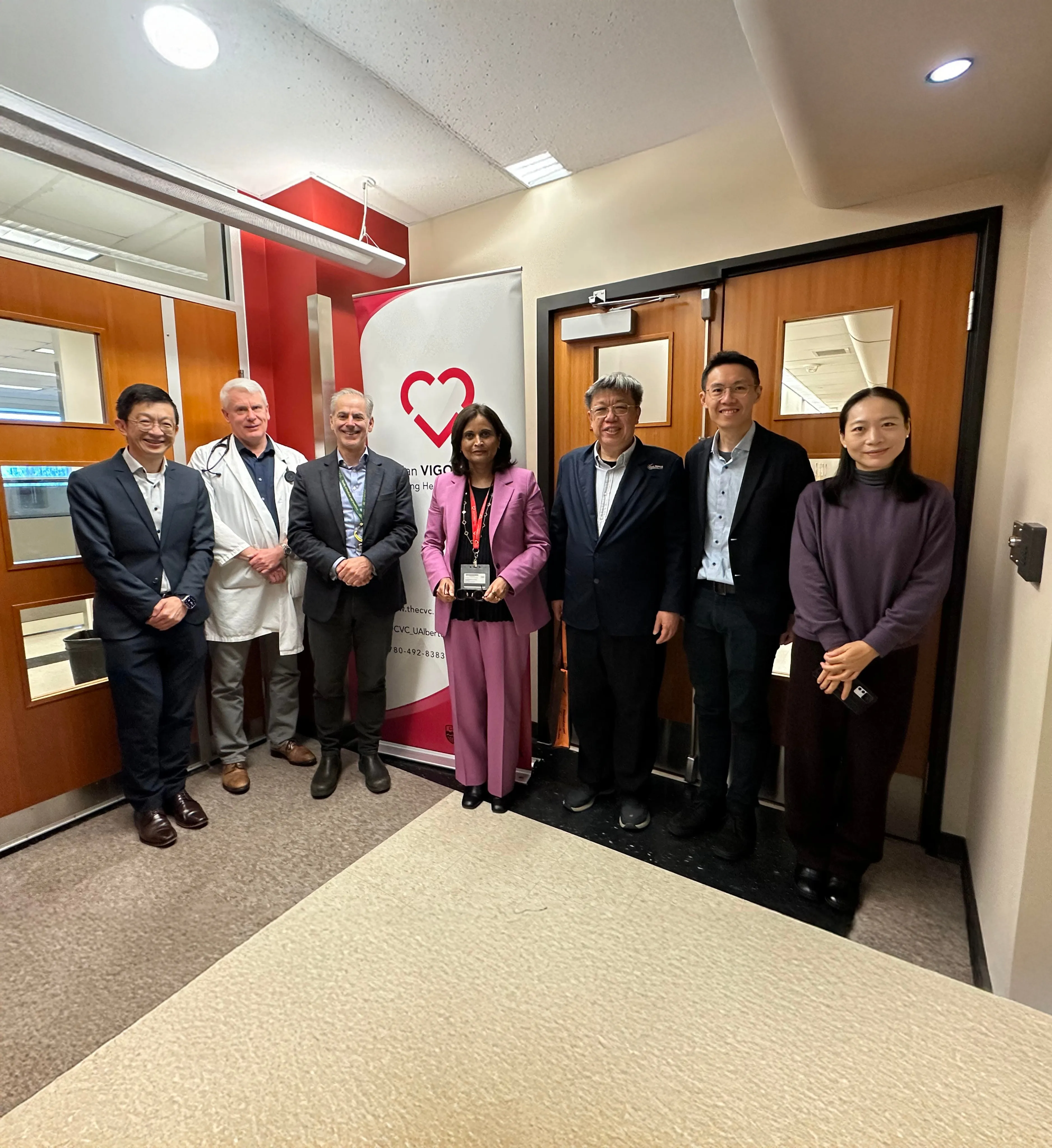
The CVC hosted members of SingHealth, Singapore's largest public healthcare group, to formalize a new partnership: The Global Alliance for Population Health Research. Bringing together an extensive network of leading public health organizations worldwide, this SingHealth-led initiative aims to transform population health research and drive global impact via joint training programs, clinical studies, technology innovations, and health policy initiatives.

|

2025 by the Numbers

54: Current Studies (Clinical Trials, Registries, and Population Health and Data Science Studies)

Current Studies by Research Area

Women and Children’s Health  (15)
Heart Failure  (12)
Acute Coronary Syndromes  (6)
Diabetes  (6)
Data Science  (4)
Congenital Heart Disease  (3)
Kidney Disease  (2)
Pulmonary Hypertension  (2)
Arrhythmias  (2)
Clinical Trial Infrastructure  (1)
COVID-19  (1)

209: Publications Produced by CVC Faculty, Staff, and Trainees

Publications by Research Area

Number of Publications

0
30
60

Heart Failure

Acute Coronary Syndromes

Kidney Disease

Pulmonary Disease

Critical Care Medicine/Cardiac Surgery

Arrhythmias

Diabetes

COVID-19

Coronary Artery Disease

Sex and Gender

Women and Children's Health

Cardiac Interventions

Data Science

General Medicine

Hypertension

Health Outcomes

Clinical Epidemiology

Digital Health

Peripheral Arterial Disease

Publications by Domain Area

Number of Publications

0
40
80

Randomized Controlled Trial

Observational Study

Review

Consensus

Editorial

Artificial Intelligence and Machine Learning

Health Economics

Qualitative Study

Case Study

0
Active sites participating in CVC-managed trials
0
ECGs analyzed by the CVC Core Laboratory
0
Citations generated from CVC-authored papers published between 2021 – 2025
0
Digital ECGs evaluated in CVC AI/ML studies
0
Canadians included in CVC studies using real world data

Research Highlights

Vericiguat in HFrEF: A Pooled Analysis of the VICTOR and VICTORIA Trials

Vericiguat in HFrEF: A Pooled Analysis of the VICTOR and VICTORIA Trials

This pooled analysis demonstrates that vericiguat reduces cardiovascular death and heart failure hospitalizations in patients with heart failure with reduced ejection fraction (HFrEF). Clinical benefits were confirmed in various patient profiles across the HFrEF spectrum, including both stable and recently worsened cases. These findings position vericiguat as a versatile addition to standard guideline-directed therapies for this diverse population.

CVC Authors: Paul Armstrong, MD and Justin Ezekowitz, MBBCh, MSc.

Read More...

Implantable Cardioverter-Defibrillators in Heart Failure Subtypes

Implantable Cardioverter-Defibrillators in Heart Failure Subtypes

This analysis of VICTORIA trial data investigated how baseline implantable cardioverter-defibrillator (ICD) use impacted mortality in patients with heart failure with reduced ejection fraction and a recent worsening event. While ICDs were associated with reduced sudden cardiac death (SCD), the study found no significant effect on overall cardiovascular or all-cause mortality. Benefits remained consistent regardless of heart failure cause, though atrial fibrillation appeared to negate the SCD benefit, highlighting the need for personalized implantation criteria.

CVC Authors: Pishoy Gouda MB BCh BAO, MSc; Paul Armstrong, MD; Wendimagegn Alemayehu, PhD; Justin Ezekowitz, MBBCh, MSc; Cynthia Westerhout, PhD; Haran Yogasundaram, MD (trainee); and Roopinder Sandhu, MD, MPH.

Read More...

Anticoagulation History and Treatment Response in Atrial Fibrillation

Anticoagulation History and Treatment Response in Atrial Fibrillation

An analysis of OCEANIC-AF trial data reveals that prior oral anticoagulant (OAC) history influences how patients with atrial fibrillation respond to asundexian, a novel OAC therapy, compared to the standard-of-care apixaban. While asundexian showed lower bleeding risks regardless of prior treatment, the increased stroke risk seen with asundexian vs. apixaban was less pronounced in OAC-naive patients compared to those with prior OAC experience. These findings identify OAC-naive individuals as a critical subgroup to include in future clinical trials.

CVC Authors: Shaun Goodman, MD and Roopinder Sandhu, MD, MPH.

Read More...

Bridging the Time Gap in STEMI Treatment

Bridging the Time Gap in STEMI Treatment

The CELEBRATE trial evaluated zalunfiban, a rapid-acting subcutaneous antiplatelet injection, for patients experiencing a ST-segment elevation myocardial infarction (STEMI). Administered at the first point of medical contact, zalunfiban improved blood flow prior to primary percutaneous coronary intervention without increasing life-threatening bleeding. By accelerating vessel reopening and reducing adverse outcomes, the drug provides a potentially safe and effective treatment alongside state-of-the-art reperfusion therapy.

CVC Authors: Robert Welsh, MD.

Read More...

Alteplase in High-Risk STEMI Patients Undergoing Primary PCI

Alteplase in High-Risk STEMI Patients Undergoing Primary PCI

The STRIVE trial investigated whether a low-dose of the clot-busting drug alteplase reduces microvascular obstruction in high-risk patients with ST-segment elevation myocardial infarction (STEMI) undergoing primary percutaneous coronary intervention (PCI). Results showed no clinical advantage over placebo, with similar rates of major cardiac events. Furthermore, a trend toward increased ventricular fibrillation in the alteplase group suggests potential harm, indicating this therapy should be avoided as a routine intervention in this setting.

CVC Authors: Kevin Bainey, MD, MSc.

Read More...

Image courtesy of the Mazankowski Alberta Heart Institute

Spironolactone in Patients Undergoing Maintenance Dialysis

Spironolactone in Patients Undergoing Maintenance Dialysis

The ACHIEVE trial evaluated whether spironolactone could reduce cardiovascular death or heart failure hospitalization in patients undergoing maintenance dialysis for kidney failure. Despite previous data suggesting potential benefits, the trial was terminated early due to lack of efficacy over placebo. With no measurable differences in mortality or hospitalization rates, these findings suggest clinicians must explore alternatives to traditional steroidal mineralocorticoid receptor antagonists for this high-risk population.

CVC Authors: David Collister, MD, PhD.

Read More...

Transfusion Strategies for Patients with Heart Attack and Anemia

Transfusion Strategies for Patients with Heart Attack and Anemia

A meta-analysis of randomized clinical trial data (including from the MINT study) compared restrictive versus liberal blood transfusion strategies for those with anemia and acute myocardial infarction (heart attack). While differences in the primary outcome of 30-day myocardial infarction or death weren't statistically significant, a restrictive approach was associated with higher cardiac mortality and poorer 6-month survival. These findings suggest that heart attack patients with anemia likely benefit from a more proactive, liberal transfusion approach.

CVC Authors: Shaun Goodman, MD.

Read More...

Hyperkalemia-Related Treatment Modifications and Heart Failure Outcomes

Hyperkalemia-Related Treatment Modifications and Heart Failure Outcomes

This population-based cohort study highlights a critical paradox: while hyperkalemia often prompts clinicians to reduce or stop renin-angiotensin-aldosterone system (RAAS) inhibitors, these modifications significantly increase mortality and cardiovascular risks. Findings demonstrate that dose reduction does not lower recurrent hyperkalemia risk. Consequently, strategies enabling therapy maintenance—such as potassium binders—may improve patient outcomes, even following high-potassium episodes.

CVC Authors: Aanchel Gupta, BA, MD (trainee); Sunjidatul Islam, MBBS, MSc; Douglas Dover, PhD; Padma Kaul, PhD; Finlay McAlister, MD, MSc; and Justin Ezekowitz, MBBCh, MSc.

Read More...

Impact of Maternal Asthma Phenotypes on Birth Outcomes

Impact of Maternal Asthma Phenotypes on Birth Outcomes

This analysis of data from the Alberta Pregnancy Birth Cohort shows that maternal asthma increases the risk of preterm birth, low birth weight, and cesarean delivery. Risks were highest for individuals with active asthma or profiles marked by high eosinophil and neutrophil counts. These findings underscore the importance of early, precise phenotyping to enable personalized management that improves outcomes for both mother and newborn.

CVC Authors: Subhabrata Moitra, PhD (trainee); Anamaria Savu, PhD; and Padma Kaul, PhD.

Read More...

Dual Pathway Inhibition Therapy in High-Risk Patients

Dual Pathway Inhibition Therapy in High-Risk Patients

This analysis of real-world evidence from the XATOA registry validated dual pathway inhibition (DPI) therapy—combining aspirin and rivaroxaban—in patients with atherosclerotic cardiovascular disease. While patients with concurrent heart failure faced higher risks of major cardiovascular events, the rate of major bleeding remained low and consistent. These findings confirm that DPI therapy maintains an acceptable safety profile even in high-risk, vulnerable populations.

CVC Authors: Pishoy Gouda, MB BCh BAO, MSc; Robert Welsh, MD; and Justin Ezekowitz, MBBCh, MSc.

Read More...

Myocardial Involvement in Influenza vs. COVID-19 Hospitalizations

Myocardial Involvement in Influenza vs. COVID-19 Hospitalizations

A retrospective analysis of Ontario hospital data found that myocardial involvement is equally prevalent in patients hospitalized with influenza or COVID-19. While clinical diagnoses remained low, elevated biomarkers revealed that probable heart failure was nearly 20 times more common than recognized clinical diagnoses in both groups. These findings suggest myocardial involvement in the setting of viral respiratory infection is under-recognized, highlighting a need for routine biomarker testing to enable earlier detection and management.

CVC Authors: Finlay McAlister, MD, MSc.

Read More...

Navigating the Future of Pulmonary Arterial Hypertension Treatment

Navigating the Future of Pulmonary Arterial Hypertension Treatment

This personal view examines the evolving landscape of disease modification in pulmonary arterial hypertension. Although current treatments improve outcomes, they still do not achieve remission. The authors propose using reverse remodeling in phase 2 trials as a marker for more durable hemodynamic and clinical improvements. Additionally, they call for future research into novel biomarkers and refined trial designs, while underscoring that achieving remission remains critical for patient outcomes.

CVC Authors: Jason Weatherald, MD, MSc.

Read More...

Heart Failure Prevention Following a Heart Attack

Heart Failure Prevention Following a Heart Attack

This review addresses the rising burden of heart failure following myocardial infarction (heart attack). While standard-of-care therapies such as angiotensin-converting enzyme (ACE) inhibitors are effective, novel treatments have yet to demonstrate additional benefits. To mitigate this global challenge, researchers propose an integrated framework combining clinical revascularization, treatment adherence, and patient education with standardized, equitable healthcare delivery.

CVC Authors: Jacob Udell, MD, MPH.

Read More...

Classifying and Managing Mixed Cardiogenic Shock

Classifying and Managing Mixed Cardiogenic Shock

This review addresses the complexities of mixed cardiogenic shock, a high-mortality condition characterized by overlapping shock states. Researchers propose a novel classification framework and simplified hemodynamic parameters to distinguish between primary and secondary shock. This standardized approach aims to facilitate more precise patient categorization, enabling greater personalized management and optimized therapy for this complex population.

CVC Authors: Sean van Diepen, MD, MSc.

Read More...

Closing Reflections

This year’s annual report opening letter quotes the 2002 Nobel Laureate in Economic Sciences, Daniel Kahneman, whose work illuminated the process of decision-making.

Afforded the privilege of providing a closing note to our 2025 annual report (crafted over the 2025 Christmas/ Holiday Season), I have been musing about the remarkable surge of information that daily barrages our neuronal receptors. These inputs successfully divert our attention from things that really matter. This brought to my mind the questions T.S. Eliot, another Nobel Laureate, posed in The Rock in 1934, when he queried “Where is the wisdom we have lost in knowledge? Where is the knowledge we have lost in information?”

To be sure, successfully competing for peer reviewed research funding and publishing our work in high quality journals matters. That is ample reason for celebrating such hard-won achievements that are well-summarized in this year’s annual report. Paving the content, structure, and flow of our report — aptly titled The Arteries of Innovation — is a team effort that, like research itself, integrates our business and research administration, clinical operations, and biostatistics. It has been nearly 400 years since William Harvey published his De Motu Cordis, describing how the heart moves the circulating blood through the body. As the CVC becomes more transdisciplinary, the relatively recent addition of nephrology and respirology to our faculty is living testimony to the importance of how the circulatory system connects us and affects our well-being.

Eliot’s concerns about the loss of knowledge in information seem especially on point today. As never before, conventional and respected metrics, such as those in our annual report, are increasingly outflanked by unsubstantiated claims of new alternative cures or misinformation about the established value of vaccines, smoking cessation, exercise, lowering cholesterol, and other validated health practices. The positive impact of artificial intelligence, social media, and chatbots can be readily undermined by small but determined echo chambers that regularly provide nefarious fodder for mistrust and harm.

Transparency about our scientific work and results, which are aimed at informing and enhancing public health, has never been more important. As privileged health care professionals, one of our cardinal responsibilities is establishing and maintaining public trust. Clearly and openly communicating to the public not only what we have learned, but — equally important — what we have yet to learn and why the search for new knowledge is vital, is a pivotal part of our mandate. Embracing every opportunity in the public domain to enhance the health of current and future generations is to be welcomed and needs to be part of our requirement to give back. When speaking to high school science students about the joy and mystery of research during February Heart Month, I always took the time to explain that one of the reasons I was in their classroom was because their tax-paying parents were paying my wages.

Perhaps with even a scintilla of wisdom we can learn to stay focused not only on our primary mission but also find time to read a bit of poetry. During his 1948 presentation of the Nobel prize in literature to T.S. Eliot, the Permanent Secretary of the Swedish Academy reflected on what poetry accomplishes: “It may make us from time to time a little more aware of the deeper, unnamed feelings which form the substratum of our being, to which we rarely penetrate; for our lives are mostly a constant evasion of ourselves.” It seems to me that our future decision-making might be illuminated by chewing on this.

The CVC gratefully acknowledges and thanks: