For patients experiencing a type of major heart attack known as ST-Segment Elevation Myocardial Infarction (STEMI), the standard treatment is a primary percutaneous coronary intervention (PCI) to clear the blocked artery. However, in about half of these cases, fragments of the blood clot break off and cause new blockages in smaller vessels downstream—a complication known as distal embolization. This causes microvascular obstruction and reduced myocardial tissue perfusion, preventing blood from reaching the heart muscle even after the main artery is reopened.
In the STRIVE trial, researchers—including CVC faculty member Dr. Kevin Bainey—investigated whether the localized delivery of a low-dose clot-busting drug (alteplase) directly into the coronary artery could reduce microvascular obstruction and major cardiac complications for high-risk patients with STEMI undergoing primary PCI.
In this multicenter trial, 210 patients were randomized to receive either 10 mg or 20 mg of alteplase or a saline placebo. The treatment was delivered via a microcatheter directly into the affected artery immediately after blood flow had been restored. The results showed no significant difference between the randomized groups. The primary outcome—a combined measure of major cardiac events and signs of poor heart recovery (including inadequate blood flow and unresolved ECG abnormalities)—occurred in 53.3% of the alteplase group compared to 52.9% for placebo. The ECG analysis was performed at the CVC and greatly enhanced the overall analysis, which was concordant with other measurements of the microvascular function. Importantly, first the first time, a trend toward an increased incidence of heart rhythm disturbances (ventricular fibrillation) was observed in the alteplase cohort during drug administration signaling a potential for harm.
Ultimately, the trial concludes that intracoronary alteplase offers no clinical advantage over placebo (and potential harm), suggesting this therapy should be avoided as a routine part of primary PCI for patients with STEMI.
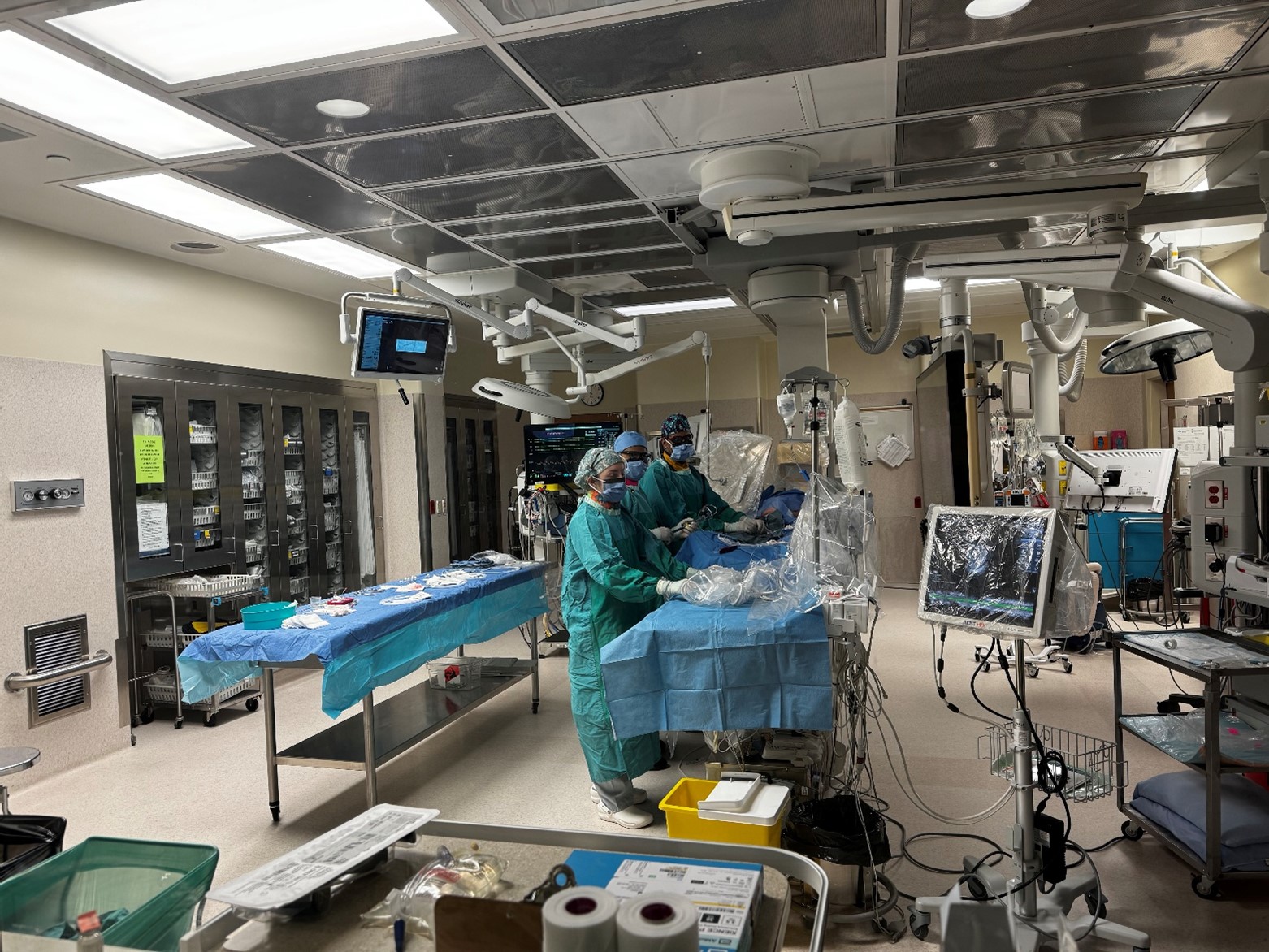
Photograph courtesy of the Mazankowski Alberta Heart Institute