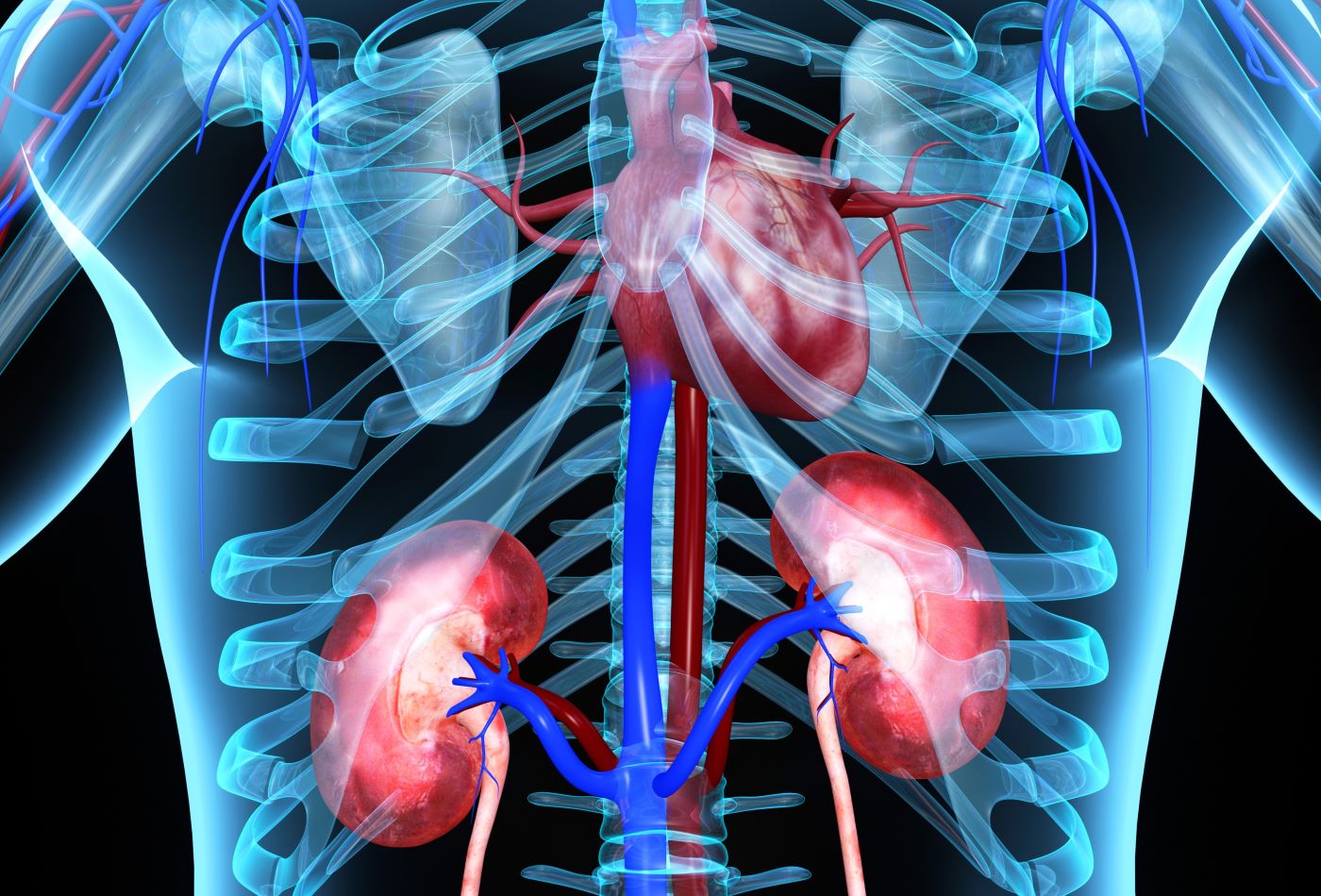
The virtual 11th Cardiovascular Outcome Trial (CVOT) Summit brought together international experts across endocrinology, cardiology, nephrology, and primary care to discuss advances in cardiovascular-kidney-metabolic (CKM) health. The summit report, co-authored by CVC faculty member Dr. Arnav Agarwal, highlights a growing shift toward integrated approaches that consider cardiovascular, kidney, and metabolic disease together rather than as isolated conditions.
Key clinical updates from the summit include:
- Comparative Outcomes in Diabetes and Obesity:Outcome trials are moving beyond placebo-controlled designs to direct drug comparisons. The SURPASS-CVOT trial demonstrated that tirzepatide (a dual GIP and GLP-1 receptor agonist) was non-inferior to dulaglutide (aGLP-1 receptor agonist) for major cardiovascular events, while producing greater reductions in weight loss and glycemia. Separately, ATTAIN-1 demonstrated substantial weight loss with once-daily oral orforglipron (GLP-1 receptor agonist), highlighting the expanding range of GLP-1 based treatment options.
- Obesity, Evidence Synthesis and Guidelines: In his Summit presentation, Dr. Agarwal highlighted the challenge of keeping clinical recommendations current as obesity pharmacotherapy evolves rapidly. He discussed how network meta-analysis, GRADE, risk stratification, and living guidelines can collectively help clinicians and patients compare multiple treatments across patient-important outcomes. The obesity evidence synthesis discussed at the Summit has since been published in The BMJ, incorporating 262 randomized trials involving nearly 100,000 participants.
- Combination Therapies in Chronic Kidney Disease: Rather than relying on monotherapy, combination regimens are demonstrating dual-target organ protection. The CONFIDENCE trial showed that pairing an SGLT2 inhibitor (empagliflozin) with finerenone (a newer class of kidney-protective drug) produced a greater reduction in albuminuria in people with chronic kidney disease and type 2 diabetes than either treatment alone, supporting further study of complementary treatment strategies across CKM disease.
- Uncontrolled and Resistant Hypertension: Beyond standard diabetes therapies, updates highlighted novel targets like aldosterone synthase inhibitors (eg. baxdrostat in the BaxHTN trial). Baxdrostat selectively inhibits aldosterone production and significantly reduces systolic blood pressure when added to background therapy in patients with uncontrolled or resistant hypertension.
- Heart Failure Refinement: The VICTOR trial (with the CVC’s Dr. Justin Ezekowitz among the co-authors) found that vericiguat, a soluble guanylate cyclase stimulator, did not significantly reduce the primary composite of cardiovascular death or heart failure hospitalization in patients with heart failure with reduced ejection fraction (HFrEF) without a recent worsening heart failure event, building on data from the VICTORIA trial.
- Digital Health:The report highlights how continuous glucose and ketone monitoring technologies support more individualized diabetes care, with continuous ketone monitoring offering the potential for earlier detection and management of ketoacidosis.
The authors emphasize that translating rapidly evolving evidence into better care will require trustworthy and up-to-date clinical guidelines, aligned health policies, multidisciplinary care models, and tools that make complex evidence accessible to clinicians and patients.