In this JAMA Cardiology viewpoint, Drs. Paul Armstrong, Kevin Bainey, and Christopher Granger argue that total ischemic time—the interval from symptom onset to the restoration of blood flow—is the most critical factor in surviving a severe heart attack, known as an ST-elevation myocardial infarction (STEMI). While the gold standard treatment is percutaneous coronary intervention (PCI), its life-saving […]

Category: News
Bridging the Time Gap in STEMI Treatment: Key Findings from the CELEBRATE Trial
Although an interventional cardiology procedure called primary percutaneous coronary intervention (PCI) is the gold standard for treating a severe heart attack—known as an ST-segment elevation myocardial infarction (STEMI)—its success is highly time-dependent. Current oral medications are often absorbed too slowly to provide immediate protection during transit to the hospital and the actual PCI procedure, creating […]
Maintenance Dialysis and Cardiovascular Risk: New Insights from the ACHIEVE Trial
Patients undergoing maintenance dialysis for kidney failure face a substantial risk of cardiovascular disease and death, yet relatively few proven preventive therapies currently exist. To address this gap, an international team—including CVC Faculty Member Dr. David Collister—conducted the ACHIEVE trial, a randomized controlled study investigating whether the heart failure medication spironolactone, as compared to placebo, could reduce […]
The STRIVE Trial: Evaluating Alteplase in High-Risk STEMI Patients Undergoing Primary PCI
For patients experiencing a type of major heart attack known as ST-Segment Elevation Myocardial Infarction (STEMI), the standard treatment is a primary percutaneous coronary intervention (PCI) to clear the blocked artery. However, in about half of these cases, fragments of the blood clot break off and cause new blockages in smaller vessels downstream—a complication known […]
The Impact of Hyperkalemia-Related Treatment Modifications on Heart Failure Outcomes
Heart failure (HF) remains a significant public health burden, requiring guideline-directed medical therapies—particularly renin-angiotensin-aldosterone system (RAAS) inhibitors—to improve survival. However, these life-saving medications frequently cause hyperkalemia (elevated potassium levels), a condition linked to arrhythmias, hospitalization, and mortality. In clinical practice, hyperkalemia often prompts a gradual dose reduction or discontinuation of RAAS inhibitors. Despite available potassium-management […]
Evaluating Transfusion Strategies for Patients with a Heart Attack and Anemia
In clinical medicine, a “restrictive” blood transfusion strategy—waiting until hemoglobin levels drop significantly before intervening—is typically preferred because it conserves resources without compromising patient safety. However, for patients suffering from anemia and an acute myocardial infarction (MI), or heart attack, the ideal transfusion threshold has remained a subject of debate due to a paucity of […]
Defining High-Risk Phenogroups in Heart Failure: A VICTORIA Substudy
Despite advances in medical and device therapies that improve quality of life, patients with heart failure with reduced ejection fraction (HFrEF) remain at high risk for cardiovascular death and re-hospitalization. To address this persistent challenge, a recent substudy of the VICTORIA trial analyzed comprehensive patient data—including clinical, electrocardiographic, echocardiographic, biomarker, and proteomic inputs—to identify distinct patient profiles. Using advanced […]
Geographic Variation and HFrEF Outcomes: Insights from the VICTORIA Trial
Heart failure with reduced ejection fraction (HFrEF) is a major global health challenge associated with substantial rates of morbidity and mortality worldwide. Multinational clinical trials of this condition face a significant hurdle: patient demographics, access to high-quality care, and baseline health all vary drastically by region. This regional heterogeneity can skew survival rates and potentially […]
Highlights from the 2025 CVC Colloquium
On September 19, 2025, the CVC was pleased to host the 12th annual CVC Colloquium in Calgary, Alberta. The theme for this year’s meeting was “Exploring Strategies for Optimizing Clinical Research in Canada”. The session opened with a keynote address by Dr. Robert Mentz (Duke Clinical Research Institute), who shared his insights on the evolving clinical trial landscape, […]
Bridging the Time Gap in STEMI Treatment: Key Findings from the CELEBRATE Trial
Although an interventional cardiology procedure called primary percutaneous coronary intervention (PCI) is the gold standard for treating a severe heart attack—known as an ST-segment elevation myocardial infarction (STEMI)—its success is highly time-dependent. Current oral medications are often absorbed too slowly to provide immediate protection during transit to the hospital and the actual PCI procedure, creating […]
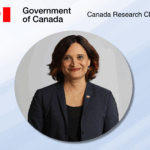
Dr. Padma Kaul Named Canada Research Chair in Women and Children’s Cardio-Metabolic Health
Congratulations to Dr. Padma Kaul who has been named the Canada Research Chair in Women and Children’s Cardio-Metabolic Health. The Canada Research Chairs Program is a major investment by the Canadian government that supports top researchers and their teams to generate groundbreaking discoveries in health, engineering, natural sciences, and the humanities. As detailed in The Quad, Dr. Kaul’s […]
Dual Pathway Inhibition Therapy in High-Risk Patients: Real-World Evidence from the XATOA Registry
Atherosclerotic cardiovascular disease (ASCVD), characterized by the buildup of arterial plaque, is a leading cause of illness and death worldwide. This patient population faces a risk of recurrent major adverse cardiovascular events, underscoring the need for optimal secondary prevention strategies. One such strategy is dual pathway inhibition (DPI) therapy, which combines aspirin with rivaroxaban to […]
Maternal Asthma: Understanding Its Role in Birth Outcomes and Newborn Health
Although maternal asthma is a common chronic condition, affecting nearly 10% of pregnant women globally and a known risk factor for childhood asthma, the nuanced impact of different asthma types on newborn health remains understudied. To address this gap, a new study investigated the links between asthma diagnosis during pregnancy and adverse birth outcomes like preterm birth, […]
The VICTOR and VICTORIA Trials: New Insights on Vericiguat in Heart Failure
The results of the VICTOR trial were presented at the 2025 ESC Congress and simultaneously published in The Lancet. This large-scale, international, double-blind study enrolled over 6,000 patients with heart failure with reduced ejection fraction (HFrEF) whose condition had not recently worsened. Researchers, including the CVC’s Dr. Justin Ezekowitz, found that vericiguat did not meet […]
Heart Failure Prevention Following a Heart Attack
While acute myocardial infarction, commonly known as a heart attack, remains a major global health concern, significant advancements in its treatment have dramatically improved patient survival. Despite this progress, many survivors later develop heart failure, a debilitating condition that can significantly worsen long-term prognosis and increase the risk of premature death. This complication is more […]
Prior OAC Use Impacts Efficacy and Safety of Asundexian in Atrial Fibrillation Patients
A recent subgroup analysis of the OCEANIC-AF trial sought to answer an important clinical question: for patients with atrial fibrillation, does a history of prior oral anticoagulant (OAC) use affect how they respond to a new medication? To find out, researchers, including the CVC’s Drs. Shaun Goodman and Roopinder Sandhu, compared the new anticoagulant therapy asundexian to the current […]
Dr. Pishoy Gouda Joins the CVC as an Associate Faculty Member
The CVC is pleased to welcome Dr. Pishoy Gouda as an Associate Faculty Member. Dr. Gouda is an academic interventional cardiologist and assistant professor at the University of Alberta. He recently completed a clinical trials research fellowship at the Duke Clinical Research Institute, after developing strong collaborative ties with the CVC during his undergraduate, medical […]
The Evolving Discipline of Critical Care Cardiology
A recent Scientific Statement from the American Heart Association provides a comprehensive overview of the evolution of critical care cardiology, with expert insights from researchers, including the CVC’s Dr. Sean van Diepen. The authors examine the cardiac intensive care unit, focusing on its organizational structure, staffing, and patient care. They also address key challenges in physician training and […]
Heterogeneity in Treatment Effects in the SODIUM-HF Trial
The SODIUM-HF trial investigated if a low-sodium diet improved outcomes for heart failure (HF) patients more than a typical diet, ultimately finding no overall advantage. A recent secondary analysis of the study data was conducted to determine if certain patients benefited from this dietary intervention while others did not. Using a risk-based approach, researchers stratified patients into four groups […]
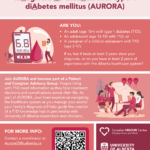
Call for Participants: Join a Type 1 Diabetes Patient & Caregiver Advisory Group
Are you an adult (18+) with type 1 diabetes (T1D), an adolescent (12-18) with T1D, or a caregiver of a child/adolescent (2-17) with T1D? If so, has it been at least 2 years since your diagnosis, or do you have at least 2 years of experience with the Alberta healthcare system? We need your voice! […]